What Is Aviation Insurance? Complete Guide for Aircraft Owners and Operators
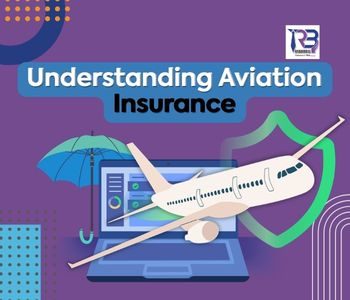
Flying high comes with the great responsibility. Whether you are own of a small private plane or operate a fleet of commercial aircraft, safeguarding your investment is non-negotiable. That is where Aviation Insurance comes in. Aviation insurance designed to safeguard aircraft owner, operators, and aviation businesses from financial losses related to flight operations. If you are just entered to the world of flying or looking to understand your insurance options better, in this guide we talk everything about aviation insurance in simple words. What Is Aviation Insurance? Aviation Insurance is a policy that provides financial support against damages, injuries, or losses involving aircraft. Think of it as a safety net for your flying machine. It shields everything from accidental damage to the aircraft itself, to third-party bodily injuries, and even legal expenses if you are held responsible for an accident. Different from standard car insurance, aviation insurance coverage is more complex because it deals with the higher risks, strict regulations, and expensive equipment. Who Needs Aviation Insurance? You might think only airlines need it, but That is not true. Aviation insurance is important for: Private Aircraft Owners – If you own a small plane for personal use. Commercial Operators – Including charter services, cargo carriers, and airlines. Flying Clubs and Schools – Where training aircraft are used regularly. Maintenance Facilities – Covering hangar keepers’ liability. Airport Operators – Safeguarding against ground risks. If your name is on the aircraft’s registration, you need aviation risk protection to safeguard your finances and future. Types of Aviation Insurance Coverage Not all policies are the same. Depending on how you use your aircraft, you can choose from various coverage options. Here are the most common ones: Aircraft Hull Insurance This shield physical damage to your aircraft. Whether it is damaged in a crash, throughout taxiing, or by fire, hull insurance pays for repairs or replacement. It is alike to comprehensive coverage in car insurance. Aviation Liability Insurance This is the most critical part of any aircraft insurance policy. It shields you if someone gets harmed or their property is damaged because of your aircraft. For example, if your plane hits a vehicle on the runway, liability insurance shield the Price. Passenger Liability Coverage If you carry passengers, this shield medical expenses or legal claims if they get harmed while on board. Ground Risk Hull Insurance Aircraft are not only at risk in the air. This shield damage while the plane is on the ground—such as throughout maintenance or storage. Hangar Keepers Liability If you run a business storing or repairing aircraft, this shield damage to customer aircraft while in your care. Products Liability Coverage For manufacturers and parts suppliers, this safeguards against claims arising from faulty parts or equipment. Why Is Aviation Insurance Important? Flying involves unique risks. Weather changes, mechanical failures, and human errors can lead to expensive accidents. Here’s why having solid aviation insurance coverage matters: High Financial Stakes – Aircraft repair Prices can run into lakhs or crores. With the out insurance, you pay out of pocket. Legal Requirements – In many countries, third-party liability coverage is mandatory for aircraft operators. Peace of Mind – Knowing you are covered lets you focus on flying safely. Safeguards Your Business – For commercial operators, a single accident can shut down operations. Insurance keeps you afloat. For aviation companies and charter services, having businesses Liability insurance is equally important to cover operational risks beyond only the aircraft itself. Benefits of Choosing the Right Aviation Insurance A well-structured policy offers more than only financial cover. Here’s what you gain: Customized Plans – Policies can be tailored to your aircraft type, usage, and flight hours. Legal Support – Most policies include legal defines Prices if you face a lawsuit. Coverage for Crew – Some plans also insure pilots and crew members against injuries. Global Protection – If you fly internationally, your policy can extend coverage across borders. Why RiskBirbal Insurance Brokers Is the Best Choice for Aviation Insurance Solutions Searching the right aviation insurance is not simple. The market is niche, and not all brokers understand aviation risks. That is where RiskBirbal Insurance Brokers stands out. Here’s why aircraft owners and operators trust them: Industry Expertise – RiskBirbal specializes in aviation insurance. They understand the unique challenges pilots, owners, and aviation companies face. Tailored Policies – Whether you own a single-engine plane or run a charter fleet, they search coverage that fits your exact needs. Wide Network of Insurers – They work with the top insurance companies to get you the best rates and terms. End-to-End Support – From policy selection to claim settlement, their team guides you at every step. Transparent Advice – No jargon, no hidden clauses—only honest, clear recommendations. If you want reliable aviation risk protection, RiskBirbal is the partner you can count on. Final Thoughts Whether you are a hobbyist pilot or a business operator, aviation insurance is not only an expense—it is an investment in safety and stability. The skies are unpredictable, but your finances don’t have to be. From hull damage to third-party liability, the right aircraft insurance policy shield you when things go wrong. And with the expert brokers such as RiskBirbal by your side, searching the perfect plan becomes simple and stress-free. So, before you take off, make sure you are covered. Because in aviation, being prepared is everything. Frequently Asked Questions About Aviation Insurance Is aviation insurance mandatory for private aircraft owners? In many countries, third-party liability insurance is legally required even for private aircraft. It is always best to check local regulations and make sure minimum coverage. What does aviation liability insurance cover? It shields bodily injury and property damage caused to third parties by your aircraft. This includes passengers, people on the ground, and damage to other property. Can I insure an aircraft that I’m still building? Yes, some insurers offer “hull coverage” for aircraft under construction. It safeguards against fire, theft, and damage throughout the building process. Does aviation insurance cover pilot mistakes? Yes, most policies cover accidents caused by pilot error unless the pilot was flying with the out a valid license or under the influence. How is aviation insurance premium calculated? Premiums depend on factors such as aircraft type, usage,